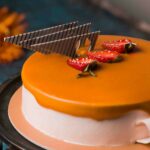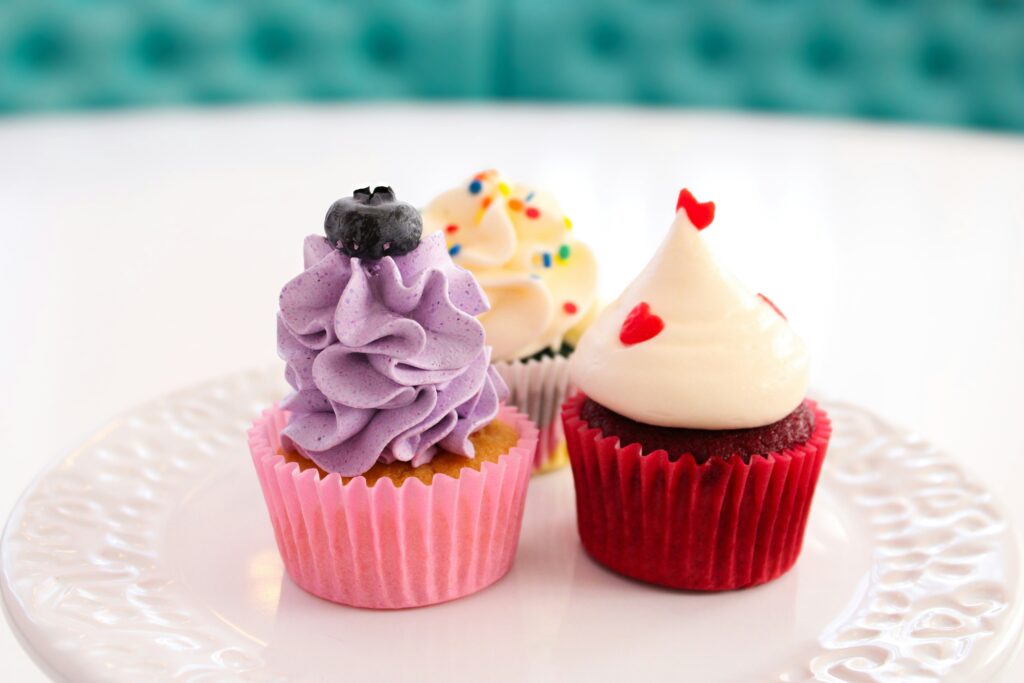

The gluten-free baking revolution has transformed from a niche dietary requirement into a mainstream baking category that demands the same quality, texture, and taste as traditional cakes. Gone are the days when gluten-free meant dry, crumbly, or cardboard-like results. Today’s gluten-free cakes can rival their wheat-based counterparts in every way—from tender crumb to perfect rise to exceptional flavor.
Whether you’re baking for customers with celiac disease, gluten sensitivity, or simply health-conscious clients seeking alternatives, mastering gluten-free cake techniques opens new markets and showcases your versatility as a baker. This comprehensive guide will transform your approach to gluten-free baking, providing professional techniques that consistently produce beautiful, delicious cakes that nobody would guess are gluten-free.
Understanding Gluten and Its Role in Traditional Baking
Before mastering gluten-free techniques, it’s crucial to understand what you’re replacing. Gluten is a protein network formed when wheat flour mixes with liquid and is agitated through mixing or kneading. This elastic network traps air bubbles during baking, creating structure, rise, and the tender yet cohesive texture we associate with quality cakes.
Gluten’s Key Functions:
- Provides structural framework that holds cakes together
- Creates elasticity that allows batters to expand during baking
- Contributes to moisture retention and shelf life
- Helps achieve tender, fine crumb texture
- Supports even rising and proper cake height
Without gluten, achieving these qualities requires understanding alternative protein and starch interactions, proper hydration ratios, and specialized techniques that compensate for gluten’s absence.
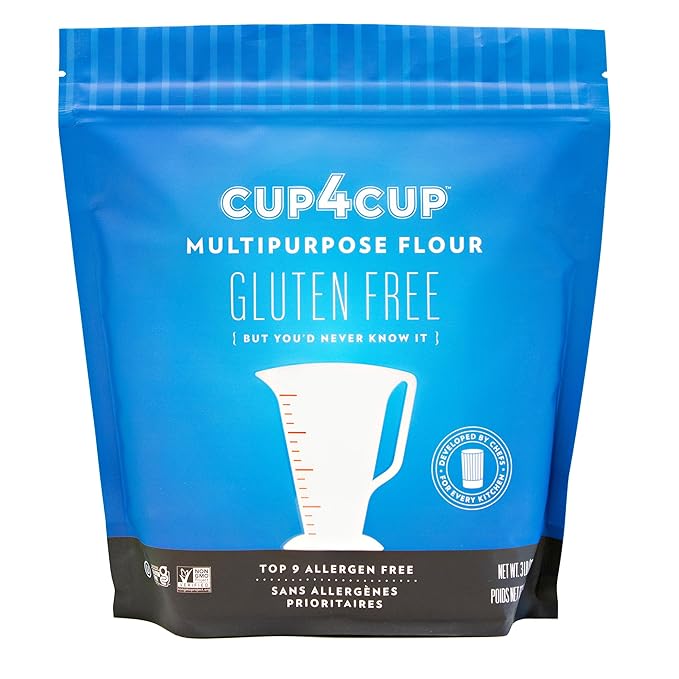
Cup4Cup Multipurpose Flour
All Purpose Flour Substitution, Non-GMO, Kosher, Made in the USA
- Certified Gluten Free Flour
- Rice Flour Blend (White Rice Flour, Brown Rice Flour)
- Tapioca Flour, Potato Starch, Xanthan Gum
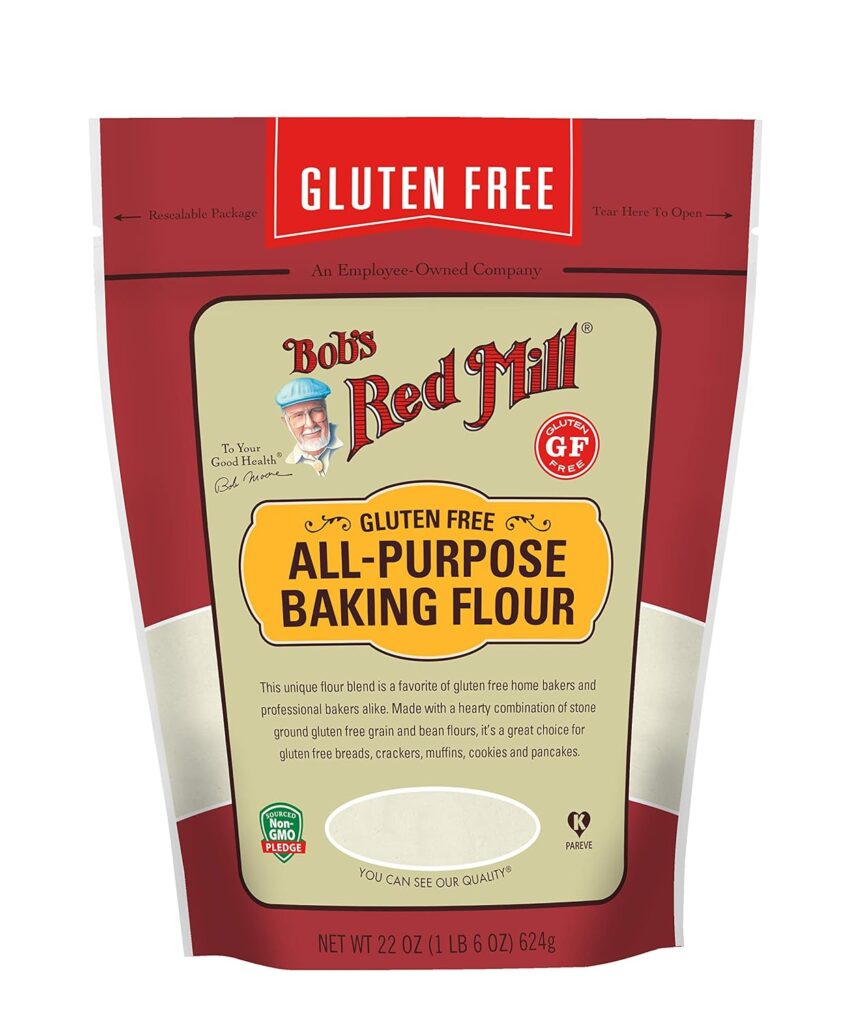
Bob’s Gluten Free All Purpose Baking Flour
Vegan, Kosher
- 18 servings per container
- Garbanzo Bean Flour, Potato Starch, Tapioca Flour
- Gluten Free
The Science of Gluten-Free Flour Blends
Single-ingredient flour substitutions rarely produce professional results. Successful gluten-free baking relies on carefully balanced flour blends that replicate gluten’s multiple functions through complementary ingredients.
Essential Gluten-Free Flour Components:
Rice Flours: White rice flour provides neutral flavor and light texture, while brown rice flour adds nutritional value and subtle nutty notes. Rice flours form the foundation of most successful gluten-free blends, typically comprising 40-50% of the mixture.
Starches: Tapioca starch, potato starch, and cornstarch provide tenderness and help create fine crumb texture. These starches lighten the blend and improve moisture retention. Optimal blends include 25-35% starch content.
Protein-Rich Flours: Almond flour, sorghum flour, or oat flour (certified gluten-free) add protein structure, improve nutritional profile, and contribute pleasant flavor complexity. These typically represent 15-25% of professional blends.
Binding Agents: Xanthan gum or guar gum replicate gluten’s binding properties, though they require precise measurement to avoid gummy texture. Most recipes need only 1/4 to 1/2 teaspoon per cup of flour blend.
Professional Blend Formula:
- 45% white rice flour
- 30% tapioca starch
- 15% almond flour or sorghum flour
- 10% potato starch
- 1/4 teaspoon xanthan gum per cup of blend
This balanced formula produces tender, moist cakes with excellent structure and neutral flavor that works across various cake styles and flavor profiles.
Critical Techniques for Gluten-Free Success
Gluten-free batters behave differently than traditional cake batters, requiring adjusted techniques and heightened attention to detail.
Proper Mixing Methods:
Gluten-free batters cannot be overmixed because there’s no gluten to develop, but they still require thorough mixing to properly hydrate all flour particles and distribute ingredients evenly. Mix until completely smooth with no flour streaks visible, which typically takes longer than traditional batters.
Use room temperature ingredients consistently, as temperature affects how starches absorb liquid in gluten-free batters. Cold ingredients can result in grainy texture and poor incorporation.
Hydration Balance:
Gluten-free flours generally require more liquid than wheat flour to achieve proper texture. Plan to add 10-20% more liquid than traditional recipes call for, adjusting based on your specific flour blend.
Allow batters to rest for 10-15 minutes before baking. This resting period lets starches fully hydrate, resulting in better texture and more even baking. The batter will thicken slightly during this rest, which is normal and desirable.
Baking Temperature and Time:
Gluten-free cakes often benefit from slightly lower temperatures (reduce by 25°F) and longer baking times compared to traditional cakes. This gentler approach prevents over-browning while ensuring complete interior cooking.
Avoid opening the oven door during the first half of baking time, as gluten-free cakes are more susceptible to collapsing from temperature fluctuations.
Converting Traditional Recipes to Gluten-Free
Transforming your favorite traditional cake recipes into gluten-free versions requires systematic approach and understanding of ingredient ratios.
Weight-Based Substitution:
Always substitute by weight rather than volume when converting recipes. One cup of all-purpose flour weighs approximately 120-130 grams, so replace with an equal weight of your gluten-free blend, not an equal volume.
Account for the additional binding agents by reducing liquid slightly if your blend includes xanthan or guar gum, as these ingredients absorb moisture.
Adjusting Leavening:
Gluten-free cakes often benefit from slightly increased leavening to compensate for the lack of gluten structure. Consider increasing baking powder by 25% and ensuring it’s fresh and active.
Add an extra egg or egg white to provide additional structure and moisture. The proteins in eggs help create structure that gluten would normally provide.
Flavor Enhancement:
Without gluten’s subtle wheat flavor, gluten-free cakes can taste flat if not properly seasoned. Increase vanilla extract by 50% and consider adding a pinch of salt to enhance overall flavor complexity.
Incorporate complementary flavors like citrus zest, coffee, or spices more generously than in traditional recipes to create depth and interest.
Achieving Perfect Texture and Crumb
The holy grail of gluten-free baking is achieving tender, moist crumb that doesn’t crumble or fall apart when sliced.
Moisture Retention Strategies:
Include ingredients with high moisture content: sour cream, yogurt, buttermilk, or mashed fruits like bananas or applesauce. These additions keep cakes tender and prevent the dryness often associated with gluten-free baking.
Consider adding a small amount of mayonnaise (1-2 tablespoons) to chocolate cakes for incredible moisture and richness. The emulsifiers in mayonnaise help create tender crumb structure.
Fat Choices Matter:
Oil-based gluten-free cakes typically stay moister longer than butter-based versions. Consider using a combination of butter (for flavor) and oil (for moisture) to achieve optimal results.
Coconut oil works exceptionally well in gluten-free baking, providing both moisture and subtle flavor that complements many cake varieties.
Egg Techniques:
Room temperature eggs incorporate more easily and create better structure. Consider separating eggs and whipping whites separately before folding into batter for added lift and lighter texture.
Don’t skimp on eggs in gluten-free recipes—they’re crucial for structure and moisture. Most successful gluten-free cakes include slightly more eggs than their traditional counterparts.
Specialty Gluten-Free Cake Categories
Different cake styles require specific adaptations for optimal gluten-free results.
Gluten-Free Layer Cakes:
Layer cakes present unique challenges due to structural requirements for stacking and frosting. Use slightly smaller pans to create thicker layers with better stability, or add an extra layer for impressive height.
Allow layers to cool completely before handling, as gluten-free cakes are more fragile when warm. Consider freezing layers briefly before frosting to reduce crumbling during assembly.
Gluten-Free Chocolate Cakes:
Chocolate cakes adapt particularly well to gluten-free methods because cocoa powder provides structure and masks any subtle flavor differences from alternative flours. Use Dutch-processed cocoa for deeper flavor and darker color.
Include coffee or espresso powder to intensify chocolate flavor and add complexity that compensates for lack of wheat flavor.
Gluten-Free Pound Cakes:
Dense pound cakes require careful balance to achieve signature texture without gluten. Include cream cheese or Greek yogurt for tang and moisture, and use a combination of almond flour and rice flour for rich flavor and proper density.
Bake at lower temperature (300-325°F) for longer time to ensure even cooking throughout without over-browning.
Gluten-Free Wedding Cakes:
For stacked tiers requiring maximum structural integrity, use additional xanthan gum (up to 1/2 teaspoon per cup of flour) and consider adding unflavored gelatin powder for extra strength.
Allow each tier to rest overnight before stacking to ensure complete settling and stability. Use robust support systems with dowels and cake boards between every tier.
Troubleshooting Common Gluten-Free Challenges
Even experienced bakers encounter issues when working with gluten-free recipes. Understanding common problems and solutions improves success rates.
Dense, Heavy Texture:
Often caused by insufficient leavening or expired baking powder. Check freshness of leavening agents and consider increasing amounts slightly. Ensure proper creaming of butter and sugar to incorporate adequate air.
Gummy or Sticky Interior:
Results from too much xanthan gum or insufficient baking time. Reduce binding agents and extend baking time, testing with toothpick inserted in center until completely clean.
Dry, Crumbly Cake:
Indicates insufficient moisture or too much starch in flour blend. Increase liquid ingredients by 10-15% and ensure adequate fat content. Consider reducing starch percentage in your flour blend.
Collapsed Center:
Caused by opening oven too early, oven temperature too high, or insufficient structure. Maintain consistent oven temperature, avoid opening door during first 20 minutes, and ensure adequate eggs and binding agents.
Grainy Texture:
Results from insufficient mixing or using flour blends with larger particle sizes. Mix batters thoroughly and consider sifting flour blends before use to ensure even particle size.
Storage and Freshness Considerations
Gluten-free cakes have different storage requirements than traditional cakes due to their moisture content and ingredient composition.
Short-Term Storage:
Store gluten-free cakes in airtight containers at room temperature for up to 3 days. The higher moisture content makes them more susceptible to mold, so ensure complete cooling before storage.
Gluten-free cakes actually improve after 24 hours as moisture distributes evenly throughout crumb. Consider baking a day ahead for optimal texture and flavor.
Freezing Techniques:
Gluten-free cakes freeze exceptionally well, often better than traditional cakes. Wrap tightly in plastic wrap, then aluminum foil, and freeze for up to 3 months.
Thaw completely at room temperature while still wrapped to prevent moisture loss. Gluten-free cakes maintain excellent texture after freezing, making them ideal for advance preparation.
Professional Presentation Tips
Creating gluten-free cakes that look as impressive as they taste requires attention to finishing details.
Frosting and Decoration:
Gluten-free cakes can be more delicate when applying frosting. Use thin crumb coat and allow it to set completely before applying final frosting layer.
Consider European buttercream or cream cheese frosting, which have excellent stability and complement gluten-free cake flavors beautifully.
Clean Slicing:
Use sharp, serrated knife and clean blade between slices for neat presentation. Slightly chilled cakes slice more cleanly than room temperature cakes.
Consider portion sizes slightly smaller than traditional cakes, as gluten-free versions are often richer and more satisfying in smaller servings.
Marketing Gluten-Free Options
Successfully marketing gluten-free cakes requires understanding your target audience and communicating value effectively.
Certification and Safety:
If serving customers with celiac disease, ensure dedicated gluten-free workspace and equipment to prevent cross-contamination. Consider certification from gluten-free organizations to build credibility.
Clearly communicate your gluten-free practices and any potential cross-contamination risks to manage customer expectations appropriately.
Pricing Strategy:
Gluten-free ingredients cost more than traditional flours, justifying premium pricing. Communicate the value of specialized ingredients and techniques when explaining pricing to customers.
Position gluten-free options as premium offerings rather than dietary accommodations, emphasizing superior taste and quality.
Target Marketing:
Market to health-conscious consumers beyond just those with gluten restrictions. Many customers choose gluten-free options for perceived health benefits or simply curiosity about alternatives.
Conclusion
Mastering gluten-free cake baking opens new opportunities while demonstrating professional versatility and commitment to inclusive baking. The techniques and understanding developed through gluten-free baking actually improve overall baking skills, as they require heightened attention to ingredient interactions and baking science.
Success with gluten-free cakes comes from understanding the science behind ingredient choices, maintaining consistency in techniques, and viewing gluten-free baking not as limitation but as opportunity for creativity and excellence. With proper techniques and quality ingredients, gluten-free cakes can be indistinguishable from traditional versions in taste, texture, and appearance.
The growing demand for gluten-free options represents significant business opportunity for bakers willing to invest time in mastering these techniques. By producing professional-quality gluten-free cakes, you’re not just accommodating dietary restrictions—you’re expanding your market reach and demonstrating the breadth of your baking expertise.