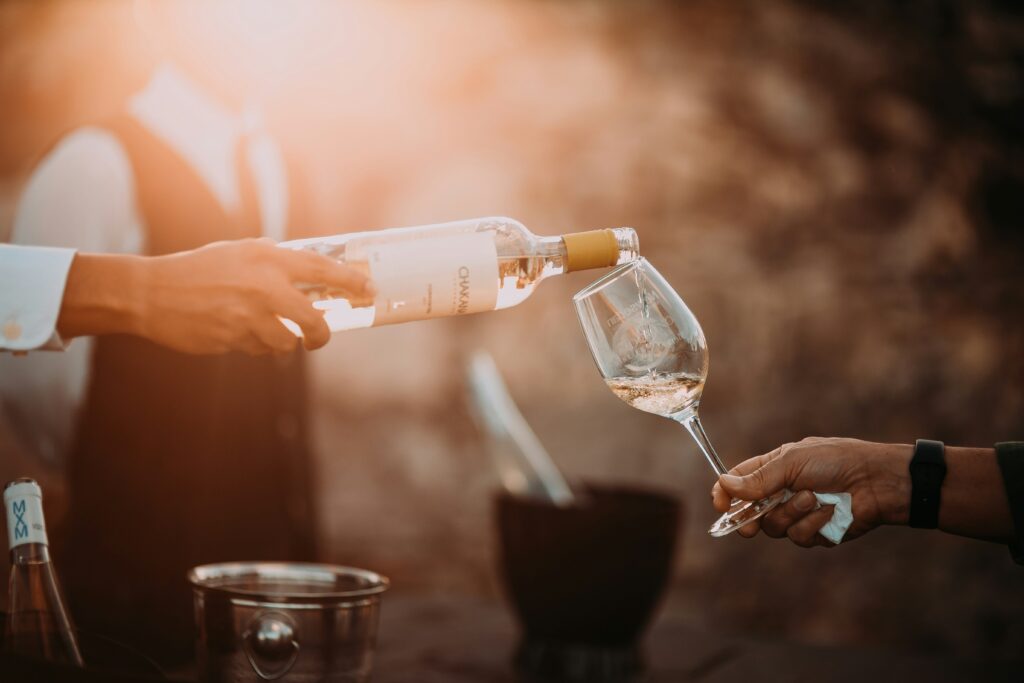

My uncle sent a bottle of handmade grape wine that he had started just three weeks before to Christmas last year. Wine takes months or even years to mature, so I was dubious. It turns out that there is a compromise between opening a store-bought bottle and waiting indefinitely. In time for Christmas, you may brew a festive, delicious grape wine that goes well with holiday treats.
Allow me to share with you all I’ve discovered about how to quickly brew grape wine for the holidays, along with the ideal cake pairings that will make your Christmas get-together truly memorable.
Can You Really Make Wine Quickly?
The truth is that it takes months for traditional wine to age, ferment, and acquire complex flavours. However, “country wine” or “quick wine” has been produced utilising quicker fermenting techniques for many centuries. It’s fruity, festive, and ideal for holiday gatherings, but it won’t compete with a vintage Bordeaux. Imagine it as a light, sweet, and lovingly crafted handmade grape wine with Christmas charm.
What You’ll Need to Make Christmas Grape Wine
Essential Equipment
- Large glass jar or carboy (1-2 gallon capacity)
- Airlock and rubber stopper (available at homebrew stores or online)
- Cheesecloth or fine mesh strainer
- Funnel
- Clean bottles for storing (wine bottles or swing-top bottles)
- Siphon tube (optional but helpful)
Pro tip: Everything must be thoroughly cleaned and sanitized. Use boiling water or a food-safe sanitizer. Bacteria and wild yeast are wine’s worst enemies.
Ingredients for Basic Grape Wine
For a simple 1-gallon batch:
- 4 pounds fresh grapes (red or green, your choice)
- 2-3 cups sugar (depending on sweetness preference)
- 1 packet wine yeast (not bread yeast—use proper wine yeast from a homebrew store)
- 1 gallon filtered water
- 1 teaspoon yeast nutrient (optional but recommended)
- Juice of 1 lemon (for acidity balance)
Choosing Your Grapes
Red grapes give you that classic wine color and richer flavor—perfect with chocolate cakes.
Green grapes create a lighter, crisper wine that pairs beautifully with vanilla or citrus cakes.
Concord grapes are intensely flavored and make a sweet, robust wine.
For Christmas, I love using a mix of red and green grapes for a beautiful rosé color that screams holiday elegance.
The Quick Grape Wine Recipe
Step 1: Prepare Your Grapes (Day 1)
Wash your grapes thoroughly and remove any stems. You want just the fruit.
Place grapes in a large pot and crush them. Use your hands (clean hands!), a potato masher, or even a clean rolling pin. You want to break the skins and release the juice, but you don’t need to pulverize them.
My method: Put grapes in a large bowl and squeeze them in handfuls. It’s messy, therapeutic, and the kids love helping with this part.
Step 2: Create Your Must (Day 1)
“Must” is winemaker language for the grape mixture before fermentation.
- Transfer crushed grapes to your sanitized fermentation jar
- Add sugar and stir until dissolved
- Add filtered water until your jar is about 3/4 full
- Add lemon juice
- Cover with cheesecloth and let sit for 24 hours at room temperature
This resting period lets the natural sugars develop and prepares everything for fermentation.
Step 3: Add Yeast (Day 2)
After 24 hours:
- Sprinkle wine yeast over the grape mixture
- Add yeast nutrient if using
- Stir gently to distribute
- Fit your jar with the airlock and stopper
Important: Don’t skip the airlock. It lets carbon dioxide escape during fermentation while keeping oxygen and bacteria out. You’ll see bubbles forming within 24-48 hours—that’s the yeast working its magic.
Step 4: Primary Fermentation (Days 2-7)
Keep your wine in a dark, cool place (65-75°F is ideal). Check it daily:
- Bubbles should appear within 48 hours
- The mixture will look foamy and active
- Stir gently once a day for the first 5 days
- The grape skins will float to the top—this is normal
After 5-7 days, the vigorous bubbling will slow down.
Step 5: Strain and Secondary Fermentation (Day 7-21)
Once primary fermentation slows:
- Strain out all the grape solids using cheesecloth
- Squeeze the grape pulp to extract all the liquid
- Transfer the liquid to a clean, sanitized jar
- Fit with airlock again
- Let ferment for another 2-3 weeks
The wine will slowly clear during this time. Sediment (lees) will settle at the bottom—this is dead yeast and grape particles. That’s exactly what should happen.
Step 6: Bottling (Day 21-28)
After 3-4 weeks total:
- Use a siphon to transfer wine into clean bottles, leaving sediment behind
- If you want sweeter wine, add 1/4 cup sugar dissolved in warm water
- Cork or cap your bottles
- Label with date and type
For Christmas serving: Let bottles rest for at least 3-5 days after bottling before serving.
Speed-Up Tricks for Christmas Deadlines
Commencing late? Here are some quick fixes:
Apply concentrated grape juice: Use 100% grape juice (without additional sugar) instead of crushed grapes. Combine with water and sugar, then let it ferment. Prep time is greatly reduced as a result.
Boost the yeast: To accelerate fermentation, use 1.5 packets of wine yeast, though this may slightly alter flavour.
Warmer fermentation Maintain at 75°F rather than 65°F because fermentation proceeds more quickly in hotter conditions.
If time is of the essence, bottle after 10–14 days to avoid secondary fermentation. Although less sophisticated and cloudier, the wine will nevertheless be palatable.
The two-week emergency protocol: Use grape juice, twice the yeast, let it ferment warm for ten days, then strain, bottle, refrigerate, and serve. Although it’s a young wine, it’s festive enough for festivities.
Making It Festive: Christmas Wine Variations
Spiced Christmas Grape Wine
Add during secondary fermentation:
- 2 cinnamon sticks
- 4 whole cloves
- 1 star anise
- Orange peel strips
Before bottling, take out the spices. This produces a flavour of mulled wine that is ideal for chilly evenings.
Holiday Cranberry-Grape Wine
Fresh or frozen cranberries can be used in place of one pound of grapes. The grape sweetness and tartness work in perfect harmony to produce a stunning red hue.
Glistening Grape Wine for Christmas
Add one teaspoon of sugar to each bottle before bottling. Tighten the cap. The bottle will become carbonated by the leftover yeast. Use pressure-rated swing-top bottles and keep them chilled to prevent carbonation. This approach necessitates close observation.
Perfect Cake and Wine Pairings for Christmas
The exciting part is to pair your own wine with Christmas cakes!
Chocolate Christmas Cake with Red Grape Wine Pairings:
Rich chocolate pairs wonderfully with the berry aromas of red grape wine. In between mouthful, the tannins reset your palette by cutting through the sweetness.
Fruitcake: The fruitiness of the wine is reminiscent of the dried fruits found in classic fruitcake. This match tastes like Christmas in your mouth and is surprisingly wonderful.
Using Gingerbread Cake:
The fiery ginger and molasses are counterbalanced by the sweetness of the wine. You may make a dessert fit for a restaurant by adding a dab of whipped cream.
With Red Velvet:
traditional pairing. The cocoa aromas are complemented by the wine’s acidity, which cuts through the cream cheese frosting.
White/Green Grape Wine Pairings
With Vanilla Bean Cake: Light wine and light cake go well together. Fruity nuances are added by the wine without overpowering the subtle vanilla flavours.
With Lemon Pound Cake: The acidic lemon is expertly balanced by the wine’s delicate sweetness. This becomes a sophisticated dessert platter when you add some fresh berries.
With Coconut Cake: White grape wine’s crispness cuts through rich coconut and prevents the combination from feeling heavy.
With Champagne Cake: Yes, this is fancy-on-fancy, and it absolutely works. Serve both chilled for a celebration-worthy pairing.
Rosé/Mixed Grape Wine Pairings
With Strawberry Shortcake: Berry wine with berry cake—need I say more? This screams summer-meets-Christmas if you’re in the Southern Hemisphere.
With Angel Food Cake: Light, airy cake needs light, fruity wine. Top with fresh fruit and you’ve created something special without much effort.
With Carrot Cake: The wine’s fruitiness complements the spices and adds brightness to cut through rich cream cheese frosting.
Serving Your Christmas Grape Wine
Temperature Matters
- Red grape wine: Serve slightly cool (60-65°F), not room temperature
- White/green grape wine: Serve chilled (45-50°F)
- Spiced Christmas wine: Serve gently warmed (not hot)
Glassware Tips
Use proper wine glasses if you have them, but honestly? Any clean glass works. What matters is that you made the wine yourself and you’re sharing it with people you love.
Presentation Ideas
- Label your bottles with handmade tags: “Christmas 2024 Homemade Grape Wine”
- Tie ribbons around bottle necks in red and green
- Create a tasting station with small pours of wine and cake samples
- Serve in a carafe decanted for a more polished presentation
Safety and Important Reminders
Alcohol content: Your quick wine will be 8-12% alcohol—similar to commercial wine.
Know your guests: Always label homemade alcohol clearly and inform guests what they’re drinking.
Storage: Homemade wine lasts 6-12 months if stored properly in a cool, dark place.
When something goes wrong: If your wine smells like vinegar, nail polish remover, or rotten eggs, something went wrong with fermentation. Don’t serve it. Start over or stick with store-bought.
Legal note: In most places, making wine at home for personal use is legal. Making it to sell is not (without proper licensing). Know your local laws.
Troubleshooting Quick Wine Making
Fermentation won’t start:
- Temperature might be too cold (move to warmer spot)
- Yeast might be dead (use fresh yeast)
- Too much sugar can stall yeast (dilute with more water)
Wine tastes too sweet: Let it ferment longer. The yeast will consume more sugar over time.
Wine tastes too dry/tart: Add simple syrup (equal parts sugar and water, dissolved) to taste just before serving.
Wine is cloudy: Give it more time to settle, or use wine fining agents from a homebrew store. For quick wine, some cloudiness is normal and doesn’t affect taste.
Strong alcohol taste: Young wine often tastes “hot” from alcohol. This mellows with time. Serve chilled to minimize the burn.
Make-Ahead Timeline for Christmas
4 weeks before Christmas: Start your wine for optimal flavor
3 weeks before Christmas: Last chance to start and have drinkable wine
2 weeks before Christmas: You can still make it work with speed-up methods
1 week before Christmas: Switch to store-bought and save homemade wine making for next year
Plan B: Make the wine now and save it for New Year’s Eve instead. No shame in being realistic about timing.
Why Homemade Wine Makes Christmas Special
There’s something genuinely magical about serving something you made from scratch. When you pour that homemade grape wine alongside your Christmas cake, you’re offering more than just a beverage—you’re sharing your time, effort, and creativity.
My uncle’s wine that Christmas? It wasn’t perfect. It was a little sweet, slightly cloudy, and definitely not something you’d find at a wine tasting. But it sparked conversations, made people curious, and created a memory we still talk about years later.
That’s what homemade wine does. It turns an ordinary dessert into a story.
Your Christmas Wine and Cake Adventure
So here’s my challenge to you: pick a weekend, gather your grapes, and start fermenting. Choose a cake recipe that excites you. Invite people you love to share in the results.
Will everything go perfectly? Probably not. Will you learn something? Absolutely. Will it be worth it? I guarantee it.
Start simple, don’t stress about perfection, and remember that the best Christmas treats are the ones made with joy and shared with love—even if they’re a little imperfect.
What grape wine variation are you thinking of trying? And which cake are you most excited to pair it with? Drop a comment below—I’d love to hear about your Christmas wine-making adventures!
Cheers to a delicious, homemade Christmas! 🍷🎄